Understanding The Fat Scientific Research
Feel The Melt: Scientists Determine Fat Storage Protein That Can Be Vital To Easing Weight Problems Memorial Sloan Kettering Cancer Cells Facility Cells do not make use of the power from oxidation reactions as soon as it is launched. Rather, they transform it into little, energy-rich particles such as ATP and nicotinamide adenine dinucleotide (NADH), which can be utilized throughout the cell to power metabolic process and construct new cellular parts. On top of that, workhorse proteins called enzymes utilize this chemical energy to catalyze, or speed up, chemical reactions within the cell that would otherwise continue very slowly. Enzymes do not force a reaction to proceed if it would not do so without the driver; instead, they simply reduce the energy obstacle required for the reaction to begin (Number 4). Some researchers believe that your body has a set point weight and your metabolic process, hormones and brain will adapt to preserve that weight. The mice consumed and took in the regular quantity of food, but they rapidly burnt the calories. To determine just how this message was sent out, the scientists conducted hereditary screening of fruit flies. They discovered that a healthy protein called Pvf3 is necessary for fat storage in the fly larvae, which need to save power in order to expand. This finding directed the researchers to the matching protein in computer mice, PDGF-CC. If Acetyl-CoA sounds familiar, it's since it is additionally generated when mitochondria use glucose as a fuel. After the first stage of cardiovascular respiration, Acetyl-CoA is developed from the breakdown of glucose (through pyruvate).
Muscle Mass
As you drop weight, cells use fat gets to sustain the body's various functions, such as breathing, absorbing food, or walking to your mailbox. As discussed earlier, this enzyme is responsible for converting fatty acids right into fatty acyl-CoA-- an important step in allowing mitochondria to produce power from the failure of fats. Once fatty acids are converted into fatty acyl-CoA, they can then be transported throughout the mitochondrial membrane layers to the inner component of mitochondria-- called the mitochondrial matrix. When energy is abundant, eukaryotic cells make larger, energy-rich molecules to save their excess energy.Just how to deceive your body into burning saved fat?
Microorganism Types Biofilms When Temperatures Drop
The searchings for recommend oxysterols could work as early biomarkers of brain wellness. Given these truths, athletes begin to play a calorie game once the duration of the session or race reaches or exceeds roughly 2 and a half hours. As discussed above, https://readharvesty.com/s/7eEiC7ZyvcDHutX5KJQJF the duration of sessions and exactly how you complete those sessions in regards to glycogen material will certainly play a large duty in your shift to far better fat burning. Recognizing that complexity moves culture beyond simple sights of weight law. It also aims towards a future in which treatments are not almost consuming less, but concerning strategically using the body's own metabolic machinery. The success of GLP-1-- based medications has shown that targeting appetite paths can conquer some of the body's resistance to weight management. Jordan Stachel, M.S., RDN, CPT is most met when assisting others in the direction of making step-by-step, lasting changes that amount to big results gradually. Jordan deals with a wide variety of individuals, ranging in age from youngsters to the senior, with an array of issues and medical conditions, and has actually created for publications such as Innerbody. FFAs transform to ketone bodies in the liver, which serves as a power resource for the brain, hence decreasing further intake of currently diminished blood sugar. FFAs are utilized throughout the body for power production or biosynthetic paths except in white adipose tissue (WAT) where they are kept. Chylomicrons offer to move triglycerides in the bloodstream, mainly from the intestinal tract to the liver. Capillary providing our skeletal muscles and adipose (fat) cells, nevertheless, create an enzyme called lipoprotein lipase. This enzyme breaks down the triglycerides contained within chylomicrons, releasing fats. These fatty acids, called complimentary fatty acids, can after that be used by muscle cells for energy, or be converted into fat stores in adipose tissue.- " We've recognized the healthy protein that is vital for carrying this crucial signal between macrophages and adipocytes.
- Scientists do not entirely understand the particular contribution of adipose-derived fatty acids to liver lipidome, but research studies recommend these make up 70% of the triglyceride swimming pool in the human liver.
- They do have ceilings in absorption yet are much quicker than fat for supplying energy to your muscles.
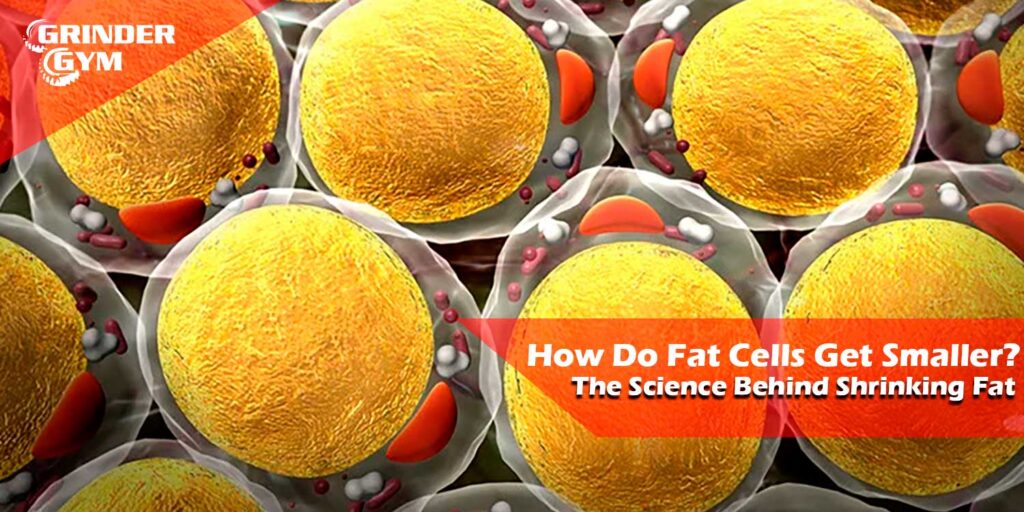
- White fat cells (adipocytes) have a basic framework composed of a single lipid droplet (fat particle) and a couple of cellular organelles.